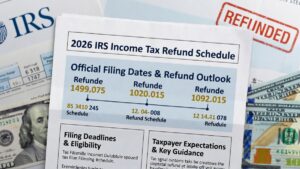
Federal $2,000 Stimulus Checks in January 2025: Who’s Eligible and How to Get Yours

Federal $2,000 Stimulus Checks in January 2025
Federal $2,000 Stimulus Checks in January 2025: As January 2025 approaches, talk of a new federal stimulus payment has once again entered American households and dinner-table conversations. The proposed one-time $2,000 stimulus payment is intended as short-term relief for families still feeling the pressure of high living costs, uneven wage growth, and lingering economic uncertainty. While inflation has eased compared to earlier years, essentials such as housing, healthcare, and food continue to strain budgets, particularly for low- and middle-income earners.
This payment, expected to be distributed through the IRS, follows a familiar playbook used during earlier relief programs. However, officials have made it clear that eligibility will not be universal. Income limits, tax filing status, and benefit records will play a central role in deciding who receives the money and who does not. For millions of Americans, understanding the rules early could mean the difference between receiving timely support or facing frustrating delays.
Why the Federal Government Is Considering Another Stimulus
The push for a January 2025 stimulus payment did not emerge in isolation. Lawmakers have been under pressure from advocacy groups and state governments pointing to stubborn financial stress among working families. Despite strong employment numbers, wage growth has not fully kept pace with rising costs in key areas, particularly rent and medical expenses. The $2,000 stimulus is framed as a targeted intervention rather than a broad economic reset.
Compared with earlier pandemic-era payments, this proposal is more narrowly focused. Policymakers appear keen to avoid overheating the economy while still providing relief to those most in need. A senior policy analyst based in Washington noted that “this kind of payment is designed less as a stimulus and more as a stabilizer, helping households stay afloat rather than encouraging new spending sprees.”
Who Is Likely to Qualify for the $2,000 Payment
Eligibility for the federal $2,000 stimulus payment will largely depend on income and tax records already on file with the IRS. Low- and middle-income households are expected to be the primary beneficiaries, with full payments available up to certain adjusted gross income thresholds. Single filers, married couples, and heads of household will each face different income cutoffs, reflecting their distinct financial responsibilities.
Seniors and individuals relying on Social Security, SSI, or veterans’ benefits are also expected to be included, provided their records are current. Families with dependents may see greater eligibility, particularly if children or elderly relatives are claimed on recent tax returns. As with previous programs, having accurate and up-to-date information on file will be critical.
How Payments Will Be Issued and Why Details Matter
The IRS plans to use its existing systems to distribute the January 2025 stimulus, primarily through direct deposit. For recipients without banking information on file, paper checks may still be issued, though these often arrive weeks later. Past experience shows that even small errors — such as outdated bank accounts or old addresses — can significantly delay payments.
Tax professionals say the biggest lesson from earlier stimulus rounds is preparation. “People assume these payments just show up automatically,” said Anita Rao, a California-based enrolled agent. “In reality, the IRS relies heavily on what it already has. If your situation has changed and you haven’t updated your records, that’s when problems start.”
Comparisons With Previous Stimulus Programs
Unlike the sweeping stimulus checks issued during the height of the COVID-19 pandemic, the January 2025 payment is more restrained in both scope and intent. Earlier programs aimed to jumpstart an economy in freefall. This time, the goal is to offer targeted relief without significantly expanding federal spending or increasing long-term deficits.
There is also greater scrutiny around eligibility verification. Previous stimulus rounds faced criticism over improper payments and delays. As a result, agencies are expected to apply tighter checks, which may slow distribution for some recipients but reduce errors overall. Observers say this reflects a government more cautious about balancing assistance with fiscal discipline.
What Happens If You Don’t Receive the Payment
Even eligible individuals may not see the payment immediately. Administrative backlogs, mismatched records, or unresolved tax issues can all interrupt the process. In such cases, the IRS is expected to provide an online claim or correction mechanism, allowing individuals to flag missing payments and update information.
Looking ahead, experts believe this stimulus could influence broader policy debates in 2025, especially if economic conditions worsen. “If this payment proves effective and well-targeted, it could become a model for future relief efforts,” Rao added. “But if delays dominate the headlines, pressure will mount for reform.”
Disclaimer: This article is intended for informational purposes only and is based on publicly discussed policy proposals and reference material. Details regarding eligibility, payment amounts, and timelines may change pending official government announcements. Readers are advised to consult official IRS communications or a qualified tax professional for the most accurate and personalized guidance.