IRS 2026 Tax Calendar Update: Major Changes to Refunds and Filing Deadlines

IRS 2026 Tax Calendar Update: Major Changes to Refunds and Filing Deadlines
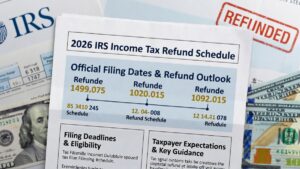
IRS 2026 Tax Calendar: The IRS 2026 tax calendar has been officially confirmed, and it brings several changes that directly affect how and when people file their income tax returns in the United States. While tax calendars are often seen as routine announcements, this year’s update carries real financial consequences for households that depend on timely refunds or follow strict budgeting plans. The calendar applies to tax returns filed in 2026 for income earned during the 2025 tax year, and it sets clearer timelines with less flexibility than many taxpayers were used to in the past.
The filing season will begin in late January 2026, and the familiar mid-April deadline remains firmly in place. However, the IRS is tightening refund processing rules, increasing verification for certain credits, and encouraging early electronic filing. These changes matter because millions of families rely on tax refunds for major expenses such as rent, debt payments, education costs, or emergency savings. Understanding the IRS 2026 tax calendar early can help taxpayers avoid delays, penalties, and last-minute stress during the filing season.
What the IRS 2026 Tax Calendar Means for Taxpayers
The confirmed IRS 2026 tax calendar signals a shift toward stricter timelines and greater accountability for taxpayers. In earlier years, some filers relied on informal extensions or slower processing without major consequences. Under the 2026 framework, filing late or submitting incomplete information is more likely to result in delayed refunds or penalties. This change is especially important for individuals who wait for their refund before making large financial decisions.
For salaried workers, freelancers, and small business owners, the calendar encourages early preparation. Collecting documents such as W-2s, 1099s, and investment statements ahead of time will be essential. The IRS has made it clear that the earlier a return is accepted, the more predictable the refund timeline becomes. This predictability can help households plan monthly expenses, savings goals, and post-holiday financial recovery more effectively.
IRS Refund Processing Changes and Timing in 2026
One of the most discussed aspects of the IRS 2026 tax calendar is how refunds will be processed. Early filers who submit error-free electronic returns and choose direct deposit may see refunds arrive as early as late February. This faster turnaround is meant to reward accurate and timely filing, while also reducing the overall backlog during peak season in March and April.
At the same time, refunds tied to certain tax credits will continue to face additional verification. Returns claiming the Earned Income Tax Credit or Child Tax Credit are subject to legal review requirements, which means refunds may be held longer even if the return is filed early. The IRS advises taxpayers to factor in these delays when planning finances, rather than assuming all refunds will arrive at the same speed.
Impact of the 2026 Filing Schedule on Financial Planning
The tighter IRS 2026 filing schedule can influence how families manage their yearly budgets. Many households use tax refunds to catch up on bills, pay off credit cards, or cover major seasonal expenses. With less flexibility for late filing, missing deadlines could disrupt these plans and create short-term cash flow problems. This makes early filing not just a compliance issue, but a practical financial decision.
Financial planners often advise taxpayers to avoid depending entirely on refunds for essential expenses. The 2026 calendar reinforces this advice by making refund timing more dependent on filing behavior. By adjusting savings strategies, setting realistic expectations, and filing as soon as documents are available, taxpayers can reduce uncertainty. The IRS’s clearer timeline gives people the information they need to plan ahead, but it also places more responsibility on individuals to act early.
How to Prepare for the IRS 2026 Tax Filing Season
Preparing for the 2026 tax season starts well before the filing window opens. Taxpayers are encouraged to review their income records, update personal details, and resolve any outstanding tax issues from previous years. Using IRS online tools and verified tax software can help reduce errors that often lead to processing delays. Electronic filing remains the fastest and most reliable option under the new calendar.
Another important step is staying informed about official IRS updates throughout the season. While the calendar sets fixed dates, operational changes or security checks can still affect processing times. Keeping realistic expectations and filing early allows room to respond if the IRS requests additional information. With the 2026 tax calendar now confirmed, preparation and awareness are the most effective ways to avoid unnecessary stress.
Disclaimer: This article is for general information purposes only and is based on publicly available IRS announcements and guidelines. It does not constitute tax, legal, or financial advice. Tax rules and deadlines may change due to official updates or individual circumstances. Readers are advised to consult the Internal Revenue Service or a qualified tax professional for personalized guidance.