$2000 Federal Direct Deposit Payment Coming in January 2026: Complete Guide for Eligible Americans

$2000 Federal Direct Deposit Payment Coming in January 2026: As January 2026 approaches, millions of Americans are anticipating a potential financial boost in their bank accounts. The term “$2000 Federal Direct Deposit” has been circulating widely, sparking interest among taxpayers, families, and low- to moderate-income households. While not a brand-new nationwide stimulus, this payment often reflects a combination of refunds, credits, and adjustments processed by the IRS that can reach close to $2,000. For many, receiving this deposit early in the year could help cover overdue bills, manage living expenses, or simply provide some financial breathing room after a challenging year.
This expected deposit highlights the importance of understanding federal payment systems and eligibility rules. It is crucial for Americans to know that the $2000 figure is not guaranteed for everyone but is based on individual tax filings, refundable credits, and any IRS adjustments. Proper awareness ensures taxpayers avoid scams, delays, or misunderstandings about timing and amounts. With early preparation, eligible Americans can maximize their chances of receiving these federal payments efficiently and securely, starting the year on a stronger financial footing.
Understanding the $2000 Federal Direct Deposit
The “$2000 Federal Direct Deposit” is a term commonly used to describe federal payments that typically arrive at the start of the year. It is not a single universal payment but a combination of refunds, credits, and adjustments issued by the IRS. For many Americans, these deposits are the first major federal payments of the year and can provide significant financial relief. Understanding the components of this deposit helps taxpayers plan ahead and set realistic expectations about amounts and timing.
These deposits may include federal income tax refunds, refundable tax credits, IRS corrections, and delayed or retroactive payments. The total of these combined payments often approaches $2000, which is why the term has become widely used. Awareness of this structure is critical to prevent confusion or the assumption that a new stimulus is being issued, as it reflects routine federal procedures applied to eligible taxpayers based on existing laws and filing records.
Eligibility Criteria for the $2000 Payment
Eligibility depends on income, tax filing status, and prior IRS activity. Taxpayers receiving refunds for 2025 filings, low- to moderate-income workers, families with dependents, and individuals with IRS adjustments are most likely to receive payments near the $2000 figure. Eligibility is automatic; no separate application is needed. Ensuring accurate tax returns and banking information is essential for timely receipt of funds.
Taxpayers receiving refundable credits may notice larger deposits, as these credits add to any overpaid taxes. Families with dependents can benefit from increased refund amounts due to the child tax credit and other family-related credits. Additionally, some individuals may receive retroactive corrections or delayed refunds processed by the IRS. Overall, eligibility is determined by personal financial circumstances and filing records, not automatic enrollment or special stimulus programs.
Timing of the $2000 Federal Direct Deposit
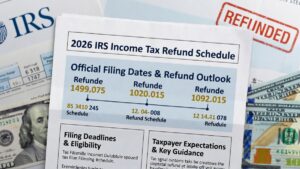
There is no single date for the $2000 deposit, but payments generally follow a predictable January 2026 timeline. Early January may include IRS corrections or delayed payments, while mid-January marks the official start of the 2026 tax filing season. Tax refunds typically arrive from late January to early February, with some credits processed later in February. Choosing direct deposit often results in faster and safer receipt of funds.
It is important for taxpayers to monitor IRS communications to confirm their exact deposit dates. Early filing increases the likelihood of receiving refunds sooner, while accurate banking information ensures direct deposit is successful. Delays may occur due to processing errors, missing information, or IRS reviews, so vigilance and preparation are key. Planning for potential timing variations allows households to anticipate and manage financial resources effectively.
Methods of Receiving the $2000 Payment
Direct deposit is the preferred and most secure method to receive federal payments. It is faster than paper checks, reduces the risk of loss or theft, and ensures funds are credited directly to bank accounts. Paper checks are still issued in certain cases but can take several weeks longer. Verifying banking details with the IRS is critical to prevent delays and avoid missing the deposit.
Ensuring that personal information matches IRS records, checking routing numbers, and reviewing tax returns for accuracy are all necessary steps. Small errors in filing can slow processing or cause payments to be sent incorrectly. By using direct deposit, eligible taxpayers can access funds promptly, supporting household budgets and reducing reliance on credit or emergency funds at the start of the year.
Protecting Against Scams and Fraud
Scammers often target individuals when federal payments are expected. The IRS never contacts taxpayers by text, email, or social media, nor does it demand immediate payment or threaten legal action. Official notices come only through IRS.gov or mailed letters. Any claims promising guaranteed access to a $2000 Federal Direct Deposit should be treated with caution and verified before action is taken.
Taxpayers should report suspicious activity immediately and avoid sharing personal information with unauthorized sources. Being aware of common scams ensures that federal payments are received safely and securely. Relying only on official channels prevents fraud and protects sensitive information, ensuring that the $2000 deposit reaches the intended recipients without disruption.
Reasons Behind the $2000 Amount
The $2000 figure is common because average tax refunds and refundable credits often total around this amount for many taxpayers. Combined with overpaid taxes or credits for dependents, the total deposit frequently reaches or exceeds $2,000. While not universal, it represents a realistic expectation for households that meet eligibility criteria, providing a significant financial boost early in the year.
This amount also aligns with past patterns observed during federal refund cycles, giving families a predictable and useful resource. For many, it mirrors the timing and impact of previous stimulus-like payments, offering temporary relief or flexibility in household finances. Understanding the basis for the $2000 deposit helps taxpayers plan accordingly and avoid misconceptions about federal payments.
Disclaimer: The information in this article is for general informational purposes only and is based on publicly available IRS guidance and federal payment procedures. Amounts, dates, and eligibility may vary depending on individual circumstances. Taxpayers should verify details directly with the IRS or official federal sources before taking any financial action. This article does not constitute legal, tax, or financial advice.