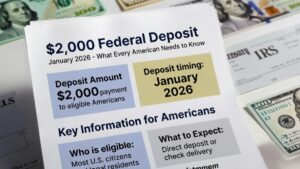
Federal $2000 Direct Deposits January 2026: Full Guidelines, Timeline, Eligibility, and What Americans Should Know
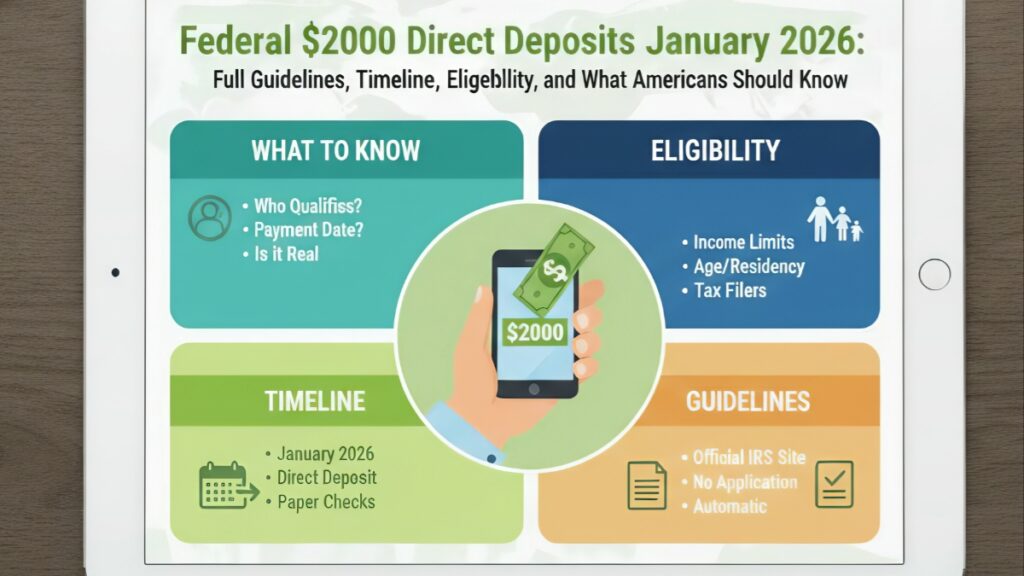
Federal $2000 Direct Deposits January 2026
Federal $2000 Direct Deposits January 2026: As Americans begin 2026, discussions about potential Federal $2000 Direct Deposits are dominating financial conversations. Many households are closely monitoring banking notifications and official updates, eager to know if they qualify and when funds might hit their accounts. With inflation still affecting everyday expenses like groceries, rent, and healthcare, even a single federal payment can provide much-needed relief. However, there’s a lot of confusion surrounding these deposits, as they are often mistaken for new stimulus checks when, in reality, most payments are tied to existing federal programs and adjustments.
Understanding the nuances behind these deposits is essential. The term “Federal $2000 Direct Deposit” generally refers to electronic payments issued through authorized government programs, whether linked to tax refunds, benefit corrections, or refundable credits. Awareness of timelines, eligibility rules, and banking procedures can help recipients avoid unnecessary stress or misinformation. This article breaks down what Americans need to know to navigate January 2026 deposits safely and efficiently.
What Federal $2000 Direct Deposits Actually Represent
Federal $2000 Direct Deposits are not a single new stimulus initiative but a collective term for payments issued electronically by government agencies. These deposits can include tax refunds, catch-up payments, benefit corrections, or adjustments to refundable tax credits. Unlike loans or advances, recipients are not required to repay these funds when issued under proper authorization.
The U.S. Treasury and the IRS are the primary channels through which these deposits are processed. Direct deposit is preferred for its speed and security compared to mailing paper checks. Understanding this distinction is vital, as many people mistakenly associate these January payments with newly legislated relief programs rather than ongoing administrative adjustments.
Why January Sees a Surge in Federal Payments
January is historically a busy month for federal payments due to year-end reconciliations, corrections, and finalization of tax-related adjustments. Programs issuing direct deposits often need to reconcile last year’s discrepancies in tax credits, missed benefits, or income verification updates. This administrative timing explains why recipients often see deposits early in the calendar year.
The increased visibility of these deposits during January sometimes sparks rumors of new stimulus disbursements. In reality, most payments simply reflect updates to existing programs. Recognizing this distinction helps recipients avoid misunderstandings about eligibility and prevents unnecessary financial speculation.
Eligibility Criteria and Common Pitfalls
Eligibility for Federal $2000 Direct Deposits varies by program. Factors such as recent tax filings, income levels, filing status, Social Security numbers, residency, and enrollment in federal benefit programs are commonly assessed. Importantly, previous receipt of federal payments does not guarantee a deposit this January, as each program reevaluates eligibility using the most current data.
Outdated or incorrect banking information is one of the most frequent reasons for delays or rejections. Closed accounts, recent bank changes, or misfiled account numbers can trigger processing issues, often resulting in reissued paper checks that take longer to arrive. Ensuring accurate banking details is one of the simplest ways recipients can prevent unnecessary delays.
Understanding the Deposit Timeline and Banking Factors
Federal $2000 Direct Deposits follow a structured timeline involving agency authorization, transmission through the Automated Clearing House (ACH), bank processing, and fund availability. The process typically takes between one and five business days, though weekends, federal holidays, and internal bank verification procedures can extend this window. Being aware of these steps helps recipients avoid undue worry when deposits are not immediate.
Timing can also vary depending on the financial institution. Some banks post ACH transfers more quickly than others, while credit unions or online banks may operate on faster schedules. Larger national banks may have stricter internal review protocols, meaning a confirmed transmission from the government does not always equal instant availability. Understanding these differences can prevent unnecessary calls or complaints to agencies.
Steps to Take if Your Deposit Is Delayed
If a Federal $2000 Direct Deposit does not appear as expected, recipients should approach the situation methodically. Confirming the transmission with the issuing agency, allowing sufficient processing time, and checking with one’s bank are the first critical steps. In rare instances, agencies may initiate a payment trace to locate missing funds.
Non-filers or individuals in special circumstances, such as seniors, low-income households, or disabled recipients, may still qualify but often need to submit information through official portals. Without this step, electronic deposits cannot be issued, highlighting the importance of proactive engagement with government systems.
Protecting Yourself from Scams and Misleading Claims
Whenever Federal $2000 Direct Deposits attract attention online, scam attempts typically rise. Fraudsters may claim to offer early access, instant approval, or special registration for payments. The government never charges fees for releasing funds, requests bank details via social media, or provides updates through unofficial channels. Confirming eligibility and timelines through verified sources is crucial to avoid financial loss or identity theft.
Another common misconception is equating these deposits with new stimulus checks. Unlike stimulus payments, which require explicit congressional approval, January deposits largely come from existing programs and adjustments. Misunderstanding this distinction often leads to inflated expectations and unwise financial decisions.
Financial Planning While Awaiting Deposits
Given the variability in timing and eligibility, households should avoid depending on anticipated deposits for immediate expenses. Maintaining emergency funds, monitoring official updates, and avoiding high-interest borrowing are practical ways to manage finances during this period. Online banking tools and official government portals can help track pending deposits and provide clarity on payment status.
Experts advise patience and verification. “Many people assume a January deposit is a new stimulus, but in reality, most are routine adjustments,” notes Anjali Verma, a fictional financial consultant specializing in household budgeting. She recommends focusing on verified income and planning around known financial obligations rather than speculative deposits.
Disclaimer: This article is intended for informational purposes only. Federal programs, eligibility criteria, and deposit timelines may change. Readers should always consult official government sources or qualified financial professionals for personal advice regarding direct deposits or other federal payments.