Trump’s New 2026 Student Visa Rules Announced Major Changes for F-1 J-1 and M-1 Students in the U.S. Explained Today
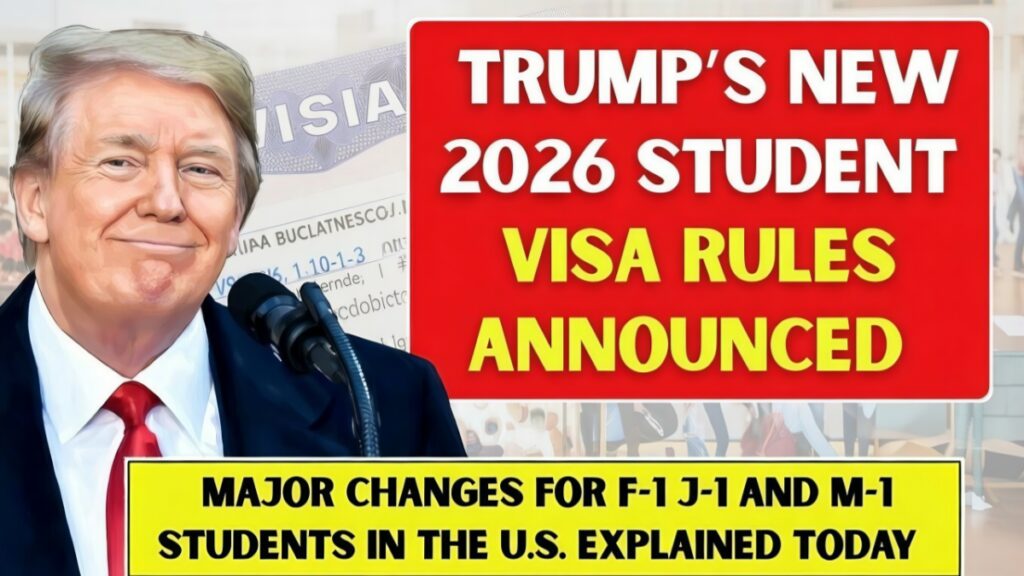
Student Visa Rules: Trump’s new 2026 student visa rules have triggered widespread discussion among international students, parents, and universities across the United States. The U.S. has long been one of the most preferred destinations for global education, attracting students through academic excellence, research opportunities, and strong career prospects. However, immigration policies play a decisive role in shaping who can study, how long they can stay, and what they can do during and after their education.
In 2026, the U.S. administration has announced significant reforms affecting F-1, J-1, and M-1 student visas. These changes aim to tighten oversight, increase accountability, and reduce misuse of student visa pathways. While officials describe the reforms as necessary for transparency and national interest, students are concerned about reduced flexibility, stricter timelines, and enhanced monitoring. Understanding what has changed, who is affected, and how to prepare is critical for students planning to study in the U.S. or already enrolled under these visa categories.
Trump’s New 2026 Student Visa Rules
The newly announced 2026 student visa rules focus on stricter monitoring of international students across academic, exchange, and vocational programs. According to policy outlines, the government is strengthening reporting requirements for universities and visa sponsors. Institutions are expected to track academic progress more closely and report any deviations related to enrollment status, program duration, or compliance issues.
The rules affect three major visa categories: F-1 academic students, J-1 exchange visitors, and M-1 vocational students. Key updates include clearer limits on program duration, increased scrutiny of training and work authorizations, and fewer exemptions for extended stays. While existing students are not immediately removed from the system, compliance expectations are rising. New applicants in 2026 will face more detailed visa interviews and documentation reviews, making preparation and clarity of intent more important than ever.
Why the 2026 Student Visa Changes Were Introduced
The introduction of Trump’s 2026 student visa reforms reflects a broader immigration policy approach focused on stricter oversight. Officials argue that student visa programs require stronger controls to prevent overstays, unauthorized employment, and misuse of academic pathways for long-term settlement. The goal, according to policy explanations, is to protect the integrity of U.S. immigration systems.
Another driving factor is the emphasis on aligning student visas with their original purpose. The administration has highlighted concerns that some students remain in the U.S. for extended periods without meaningful academic progress. By tightening timelines and reporting standards, the government aims to ensure that international education remains structured, transparent, and aligned with national priorities while still allowing genuine students to benefit.
Understanding the F-1 Visa Changes in 2026
The F-1 visa, used by international students enrolled in academic programs, is undergoing some of the most noticeable changes. One major update involves stricter expectations around program completion timelines. Students may now be required to finish degrees within clearly defined periods, reducing flexibility for course changes or prolonged academic delays.
Universities will also play a larger role in monitoring student performance. Institutions are expected to report academic progress more frequently, making full-time enrollment and satisfactory academic standing essential. Optional Practical Training opportunities linked to F-1 visas remain available, but they are likely to face closer scrutiny to ensure that work experience directly matches a student’s field of study.
How J-1 Exchange Students Are Affected
J-1 exchange visas, which cover students, researchers, and interns, are also impacted by the 2026 rules. The updated framework reinforces the cultural exchange purpose of the J-1 program. Authorities are emphasizing that participants should return to their home countries after completing their exchange activities.
Waivers related to the two-year home residency requirement may become harder to obtain under the new approach. This change could affect students who previously planned to transition from J-1 status to employment-based visas. Sponsoring institutions may also face stricter compliance checks, meaning students will need to maintain accurate documentation and close communication with program sponsors.
M-1 Visa Rules and Increased Scrutiny for Vocational Students
M-1 visas, designed for vocational and technical education, are seeing tighter controls in 2026. These programs are intended to be short-term and skill-focused, and the new rules aim to limit extended stays or frequent program changes that fall outside this scope.
Under the revised guidelines, M-1 students may face stricter limits on switching institutions or extending program duration. This means students must carefully choose their vocational courses before applying. Reduced flexibility after arrival makes planning essential, as any deviation from approved study plans could lead to compliance issues or visa complications.
Impact on New Applicants Planning to Study in the U.S.
For students applying for U.S. student visas in 2026, the process is expected to involve greater scrutiny. Visa officers may ask more detailed questions about academic goals, financial stability, and long-term intentions. Clear study plans and strong documentation will be essential to demonstrate genuine educational intent.
While the application structure remains familiar, even small inconsistencies may lead to delays or denials. Students are encouraged to work closely with their institutions and advisors when preparing applications. Being transparent, organized, and realistic about academic and career plans can significantly improve the chances of approval under the new rules.
How Current Students in the U.S. Could Be Affected
Current F-1, J-1, and M-1 students are closely watching how the 2026 rules apply to them. While authorities are not expected to revoke existing visas immediately, ongoing compliance is becoming more important. Students must strictly follow enrollment requirements, work restrictions, and reporting obligations.
Those who previously relied on flexible timelines or reduced course loads may need to adjust academic strategies. Staying informed through international student offices and official updates will be critical. Proactive planning can help current students adapt smoothly without disrupting their education or immigration status.
Universities and Student Communities Respond to the Changes
U.S. universities are central to implementing the new student visa rules. Many institutions are strengthening internal monitoring systems and increasing communication with international students. International offices are preparing to guide students through compliance requirements and documentation updates.
Student communities, meanwhile, are expressing mixed reactions. Some worry that stricter rules could reduce access to U.S. education, while others believe clearer guidelines may bring long-term stability. Emotional stress and uncertainty remain common concerns, highlighting the need for support, transparency, and reliable information during this transition period.
Disclaimer: This article is for informational purposes only and is based on publicly available policy descriptions and general guidance. Immigration rules and student visa regulations are subject to change. Readers are advised to consult official U.S. government sources, designated school officials, or qualified immigration professionals for personalized advice.