IRS Filing 2026 Brings New Rules, New Deductions, and New Risks for Taxpayers

IRS Filing 2026 Brings New Rules, New Deductions, and New Risks for Taxpayers
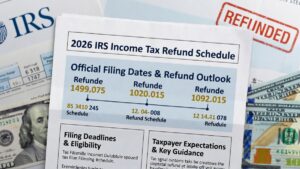
IRS Filing 2026 Brings New Rules: The IRS filing season for 2026 is approaching, and for millions of Americans, this is not just another routine tax year. Quiet changes inside the tax system, combined with new deductions and operational shifts at the IRS, have created a filing environment that looks familiar on the surface but works very differently underneath. The IRS has confirmed that it will begin accepting tax returns from January 26, officially opening the 2026 filing season. However, experts say the biggest mistakes this year will come from treating it like business as usual.
Over the past few years, tax filing has become deeply tied to household cash flow. Refunds are no longer “extra money” for many families; they are essential for rent, groceries, medical bills, and debt payments. Against this backdrop, changes to deductions, staffing shortages at the IRS, and a push toward digital refunds could create delays or unexpected problems for those who rush in without understanding what has changed. For workers, retirees, and seniors alike, the difference between filing smart and filing fast could mean weeks of waiting—or thousands of dollars lost.
Why the 2026 Tax Filing Season Is Different
The IRS has spent the past two years restructuring how returns are processed, largely in response to pandemic-era backlogs and rising administrative costs. While filing dates look familiar, the internal machinery is not. Fewer IRS employees are now handling more digitally filed returns, and paper processing has slowed even further. Tax professionals say early filers who submit incomplete or inconsistent information are more likely to see their returns flagged for manual review.
This year also marks the first full filing season where several recent tax law updates are fully active. These changes affect how income is classified, how deductions are calculated, and how refunds are released. Unlike past years, the IRS is prioritizing fraud detection and data matching before issuing refunds. That means even small discrepancies—such as income reported by an employer arriving late—can temporarily freeze a refund that taxpayers were counting on.
New Deductions That Could Lower Tax Bills
Among the most talked-about updates in IRS filing 2026 are new deductions aimed at workers whose income often fluctuates. Tip-based workers, including servers, bartenders, salon professionals, and delivery drivers, may now be eligible to deduct up to $25,000 of reported tip income. For people in service industries, where tips can make up a large portion of annual earnings, this adjustment could significantly reduce taxable income.
Overtime pay has also received special attention. Workers who regularly exceed 40 hours a week may be able to deduct up to $12,500 in overtime earnings. According to tax analysts, this reflects growing recognition that overtime is often a financial necessity rather than a luxury. “This is one of the first times the tax code openly acknowledges the reality of hourly workers,” says fictional tax policy expert Daniel Brooks, noting that the benefit could be meaningful if claimed correctly.
Who Faces the Highest Risk of Refund Delays
While new deductions are welcome, they also add complexity. Taxpayers who rely on early filing to get fast refunds may face delays if documentation does not fully align with IRS records. Workers with multiple employers, gig income, or tip-heavy wages are especially vulnerable if all income forms are not received before filing. In recent years, the IRS has increasingly held refunds until third-party data is fully matched.
Retirees and seniors also face unique risks. Many depend on refunds for essential expenses, yet they are more likely to receive income from multiple sources such as pensions, Social Security, and part-time work. With fewer IRS staff available for manual corrections, even minor reporting errors can stall a return. Financial planners advise older taxpayers to double-check all income statements before filing, even if they have always filed early without problems.
Shift Toward Digital Refunds and What It Means
The IRS is continuing its move away from paper checks, encouraging direct deposit and electronic refund methods wherever possible. While this speeds up processing for many, it also leaves less room for error. Incorrect bank details or mismatched account information can result in refunds being rejected or delayed, sometimes requiring weeks of follow-up to resolve.
This digital push also reflects broader government policy aimed at reducing fraud and administrative costs. Compared to past filing seasons, fewer refunds are being released automatically. Instead, returns are passing through additional verification layers. Tax experts compare this year to the early rollout of stimulus payments, when system changes led to confusion despite good intentions. The lesson, they say, is preparation over speed.
Expert Views and What Comes Next
Tax professionals are urging taxpayers to rethink their filing strategy for 2026. “The old advice of filing as soon as possible doesn’t always apply anymore,” says Brooks. He notes that waiting a few extra weeks to ensure all income documents are received can actually result in faster refunds overall. The focus, he explains, should be accuracy, not urgency.
Looking ahead, analysts expect further refinement of these rules if delays become widespread. Lawmakers are already monitoring early filing data to assess whether staffing shortages are affecting refund timelines. For now, the message is clear: IRS filing 2026 rewards careful planning. Those who understand the changes and adjust their approach may not only avoid delays but also keep more of their hard-earned money.
Public Reaction and Broader Impact
Public response to the changes has been mixed. Workers in service industries have welcomed the new deductions, calling them long overdue. At the same time, online forums are filled with concerns about refund delays and increased scrutiny. Many taxpayers worry that the system now feels less forgiving than in previous years, especially for lower- and middle-income households.
From a policy perspective, these reactions highlight the balancing act the IRS faces. Protecting revenue and preventing fraud must coexist with ensuring refunds reach people who depend on them. How smoothly this filing season unfolds may influence future tax reforms, particularly around worker protections and administrative funding.
Disclaimer: This article is intended for informational and journalistic purposes only. Tax laws and IRS policies are subject to change, and individual financial situations vary. Readers are advised to consult qualified tax professionals or official IRS guidance before making filing decisions. The information presented here does not constitute legal or financial advice.